Overview
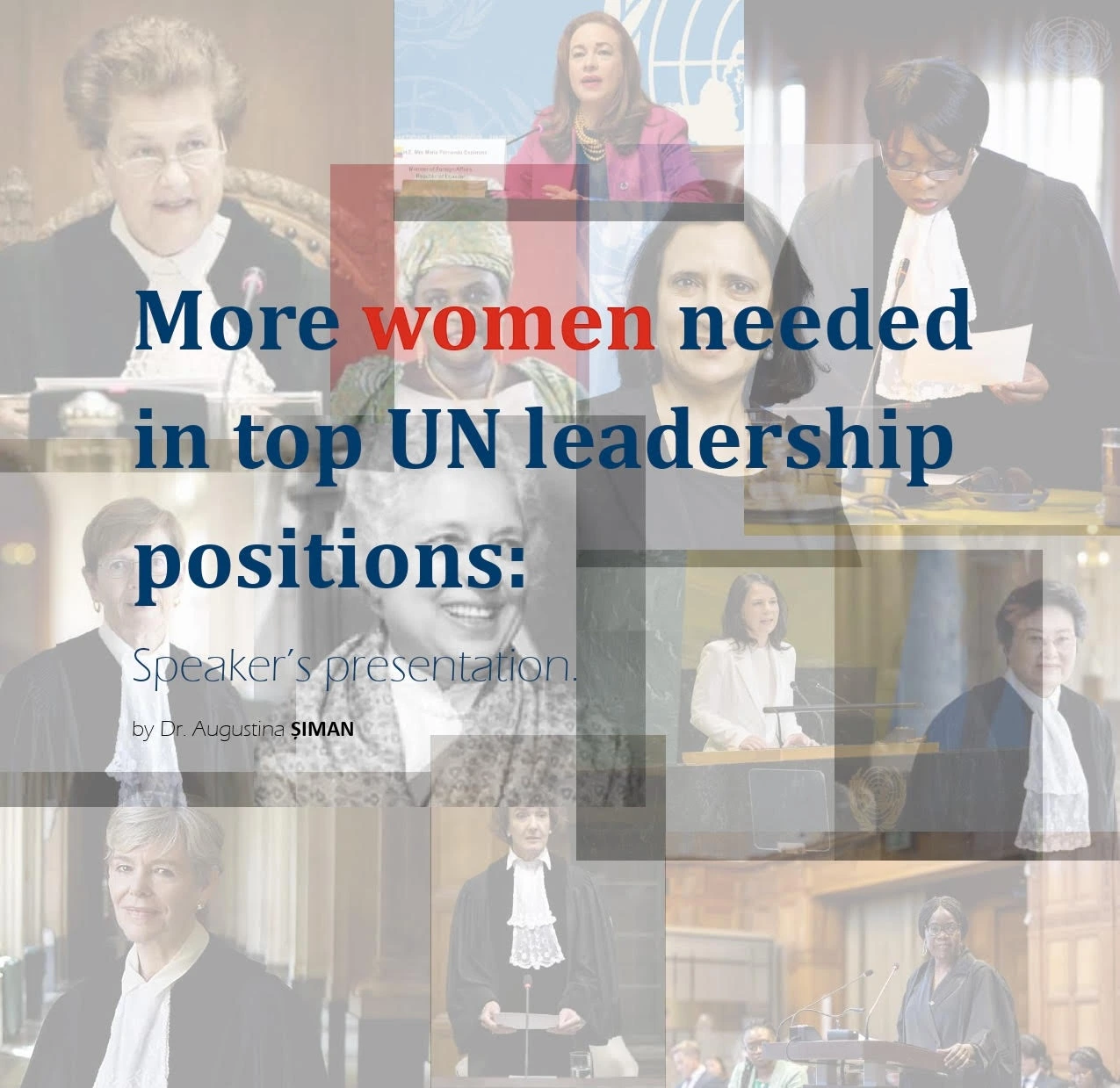
On March 8th, 2026, I had the honor of being invited as a speaker at the International Women’s Day training program “Calling all African Women: Transform Your Future”, organized by Initiatives for Peace and Development (IPD), the Tanzania Mooting Organisation (TMO), and SORKI Moot Court. During this certified program dedicated to empowering the next generation of African female leaders, I delivered a presentation entitled “More Women Needed in Top UN Leadership Positions.” My intervention focused on the persistent underrepresentation of women in the highest elected and appointed offices of the United Nations: the Presidency of the General Assembly, Judges at the International Court of Justice, and the position of Secretary-General of the Organization. Drawing from historical data, institutional practice, and contemporary reform debates, the presentation examined the structural barriers limiting women’s access to global decision-making roles and proposed practical pathways for reform at both national and international levels. Addressing young women pursuing careers in law, diplomacy, political science, and international affairs, the lecture aimed not only to analyze institutional shortcomings, but to inspire future African leaders to claim their space in global governance.
Key points
- The gap between commitment and practice remains significant: While the United Nations promotes gender equality globally - through Sustainable Development Goals and multiple institutional commitments - women remain starkly underrepresented in top UN leadership positions. In eighty years of UN history, only five women have served as President of the General Assembly, and no woman has ever held the office of Secretary-General.
- The underrepresentation of women reflects structural barriers, not lack of merit: Historical exclusion, opaque national nomination procedures, political inertia, and entrenched gender biases continue to shape leadership pathways. The issue is one of access and opportunity, not competence.
- National nomination processes are the critical bottleneck: Top UN positions - such as Judges of the International Court of Justice, Presidents of the General Assembly, and the Secretary-General - are determined through state nomination and General Assembly election. Without gender-sensitive nomination procedures at the national level, global parity cannot be achieved.
- African women face compounded structural challenges: Despite progress in constitutional frameworks and international commitments, women in Africa continue to encounter capacity gaps, resource constraints, and patriarchal political structures that limit their advancement into high-level political roles.
- Reform does not require Charter amendment: Practical measures - such as voluntary state pledges, transparent and standardized selection criteria, mentorship pipelines, expanded access to higher education, and public reporting on gender representation - can significantly improve outcomes without reopening the UN Charter.
- Gender parity is a question of institutional legitimacy: The continued absence of women from the highest offices of the UN risks undermining the organization’s credibility as a champion of equality, justice, and inclusive governance.